Raw milk in pregnancy: What the evidence really says (and why pasteurised milk is the safer choice)
If you spend any time in wellness spaces online, you’ve probably seen raw milk making a comeback. Some influencers claim it’s more “natural,” more nutrient-dense, easier to digest, and even medicinal.
But raw milk is not a forgotten ancient superfood. It’s simply unpasteurised milk. And unpasteurised milk can carry harmful bacteria that are especially dangerous during pregnancy.
Let’s break down the evidence clearly, calmly, and without the wellness noise.
What is raw milk?
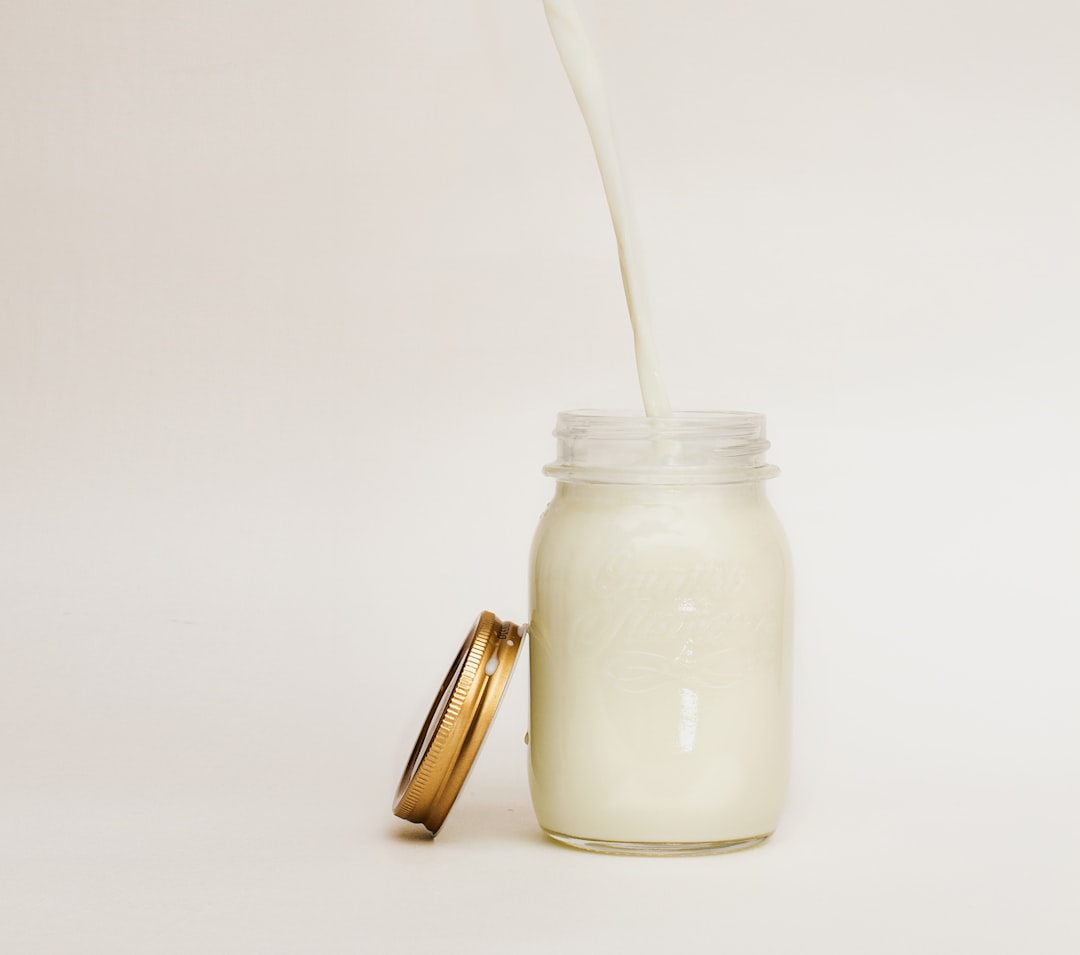
Raw milk is milk that has not been heat-treated (pasteurised) to kill potentially harmful bacteria.
Pasteurisation is simple: Milk is heated to around 72°C (161°F) for around 15 seconds, then rapidly cooled.
That’s it. Just enough heat to destroy pathogens without changing the taste or nutritional profile in any meaningful way.
This process dramatically reduces the risk of illness, which is why we’ve been doing it for over 100 years.
It is not a "Big Dairy conspiracy", an unnecessary step or something that “destroys” nutrients (it doesn’t).
It is a proven, important food safety measure that protects vulnerable groups, including pregnant women.
Why raw milk isn’t safe during pregnancy
Raw milk can contain harmful bacteria including:
Listeria
E. coli
Salmonella
Campylobacter
Brucella
Mycobacterium bovis (tuberculosis bacteria)
Listeria is the biggest concern in pregnancy. Even if you don’t feel unwell, it can cross the placenta and have serious consequences for your baby.
The risk difference is huge: Raw milk carries around 150x higher risk of causing infection compared to pasteurised milk.
(And some research estimates an even greater difference, up to 840x higher illness and 45x more hospitalisations.)
Pregnant women are already more susceptible to foodborne illness because of changes in the immune system. So when something comes with a significantly higher risk and no proven benefit, it’s a hard no.
What about the nutrition? Does raw milk have benefits?
Raw milk advocates often claim it’s:
Higher in vitamins
Easier to digest
Better for gut health
Naturally rich in enzymes like lactase
A good source of vitamin C
None of this is supported by evidence.
Here’s what the research actually shows:
✔ Nutrient differences are minimal
Pasteurisation causes very slight changes in certain nutrients (some B vitamins decrease a little, vitamin A sometimes increases), but:
Milk isn’t a major source of these vitamins anyway
The differences are not nutritionally meaningful
You can easily get these vitamins from other foods
✔ Raw milk does not contain lactase
Lactase is an enzyme produced in the human gut, not in milk.
Both raw and pasteurised milk contain lactose, the milk sugar that causes symptoms in lactose intolerance.
If you’re lactose intolerant, raw milk won’t solve it.
✔ Raw milk is not a reliable source of vitamin C
It contains only trace amounts, around 3–6 mg per cup.
For context:
½ cup red pepper = 95 mg
1 orange = 60 mg
1 kiwi = 65 mg
You are absolutely not relying on milk for your vitamin C intake.
✔ Pasteurisation does not destroy milk
It doesn’t remove key nutrients like:
Protein
Fat
Calcium
Iodine
B12
Choline
These remain essentially unchanged.
So why do people say they “feel better” on raw milk?
Anecdotes are not evidence.
Someone might say “I drink raw milk and I’m fine" or “Raw milk cured my gut issues.”
Some people could also eat undercooked chicken and be fine (and lucky that particular chicken wasn't contaminated), but that doesn’t make it safe.
Raw milk is a high-risk food, especially during pregnancy. Feeling fine doesn’t mean the bacteria weren’t there; it simply means this time they didn’t cause illness.
The Bottom Line: Raw milk is not safe during pregnancy
You can absolutely enjoy milk in pregnancy. It's a source of protein, fat, choline, B12, iron, vitamin A, and more.
But the safe, evidence-based way to include it pasteurised milk.
Alongside...
A high-quality prenatal multivitamin
A colourful, balanced diet
There is no nutritional advantage to drinking raw milk that justifies the risk, especially when the risks include infections that can harm your baby even if you don’t feel ill.
A final note on wellness misinformation
It’s frustrating (and honestly exhausting) to see wellness influencers romanticise raw milk and cherry-pick studies to make their claims look scientific.
When you look at the actual research, the safety statistics, and the real biology, the truth is simple:
**Pasteurisation makes milk much safer.
Nutritionally, raw milk is not significantly better.
And during pregnancy, the risk is simply not worth it.**
We’ve benefitted from centuries of scientific progress. We no longer rely on guesswork, outdated beliefs, or trial-and-error medicine. Let’s not throw that away for a trend.